

TMJ Treatment Spring
Alleviating Jaw Pain at Its Origin
Your temporomandibular joints (TMJs), which connect your jawbones to the rest of your skull, are some of the most complex joints in your whole body. They grant your mouth a wide range of motion and ensure that you’re able to bite, chew, and speak without complications. However, these joints are unfortunately subject to various types of problems, many of which can cause discomfort and even cause damage to the teeth. Luckily, our team can help with personalized TMJ treatment solutions. To learn more or to schedule an appointment for yourself or a loved one, contact our Spring dental office today.
Why Choose Spring Creek Dentistry for TMJ Treatment?
- Skilled Dental Staff with Years of Experience
- Customized Treatment Solution for Every Patient
- Dental Insurance Accepted and Financing Available
What Is TMJ Disorder?

TMJ disorder (TMD) is not a single problem. Rather, this term can refer to a broad range of issues that affect the function of the jaw joints. Symptoms may arise due to inflammation, joint damage, and other factors. Often, things like stress, dental misalignment, poor posture, and teeth grinding contribute to the development of TMD. While anyone can be affected by this condition, it tends to be more common among women of childbearing age.
Symptoms of TMJ Disorder

TMD can cause dozens of symptoms, some of the most common of which include:
- Tenderness and pain in the jaw
- Muscle tension in the face and neck
- Headaches, neck pain, and shoulder pain
- Difficulty chewing
- Popping or clicking in the jaw
- Limited jaw movement or the sensation of lockjaw
- Ear pain
- Ringing in the ears
- Pain behind the eyes
Types of TMJ Treatment
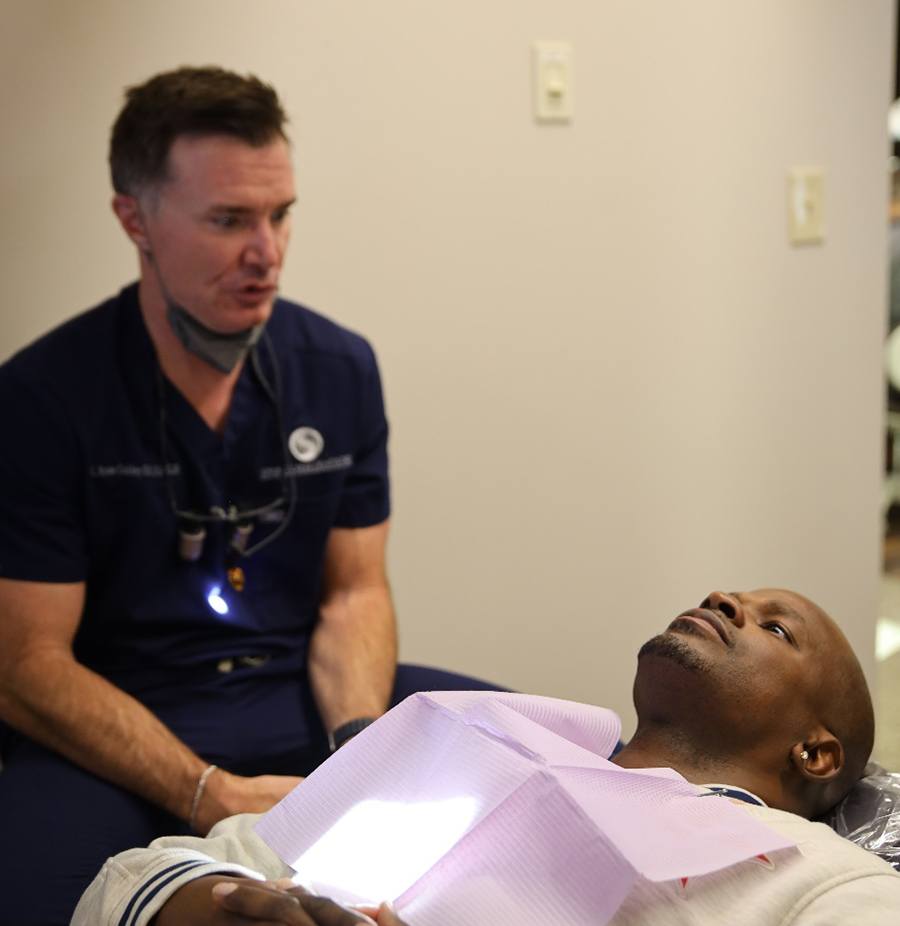
Before we can suggest an appropriate TMJ treatment for you, we will need to perform an examination. This may involve a visual inspection of your oral tissues as well as X-rays or other diagnostic images. After we gather adequate information, we can advise you on your next steps. Certain home remedies, such as pain medication, stretches, heat/cold therapy, and dietary changes may help. We may also suggest that you receive Xeomin injections.
Xeomin® for TMJ Treatment

Most symptoms associated with TMJ disorder can be treated with Xeomin®, an injectable product that has the same active ingredient as Botox, but which has been shown to provide enhanced results. When Xeomin is injected into targeted areas around the jaw, it can help the muscles relax and release, thereby easing their strain, preventing unconscious clenching and grinding, and taking pressure off the jaw joints. The result is lasting relief from TMD symptoms!
What Is Xeomin®?
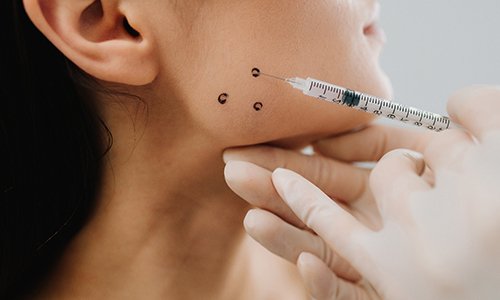
Xeomin is a brand-name product that contains botulinum toxin, the same active ingredient found in BOTOX®. When it is carefully injected into the facial muscles, it forces them to relax. Not only can this effect reduce the appearance of wrinkles, but it can also do much to manage TMD symptoms.
In most cases, the discomfort associated with TMD is not a direct cause of the temporomandibular joints themselves, but because of the muscles on both sides of the face, called the masseters and temporalis muscles. When Xeomin releases tension in those muscles, great pain relief can be the result.
A Xeomin appointment usually takes just 20 minutes or so, and patients often notice positive results within just a few days.
Are You a Good Candidate for Xeomin® for TMJ Treatment?

Most people with symptoms of TMJ disorder could benefit from Xeomin. It can be especially helpful if you are experiencing bruxism (teeth grinding and clenching), tension in your jaw, muscle spasms, and facial pain. After it takes effect, it can have a positive domino effect that reduces symptoms in other areas as well. For example, you might notice that you experience fewer headaches and less neck and back pain.
If you are curious to find out whether Xeomin is a fit for your unique circumstances, come visit our Spring team for a consultation.
How Can Xeomin® Treat TMJ Disorder?

Xeomin provides effective pain relief that can last for several months at a time. If your symptoms start to return as the Xeomin wears off, you can ask us about additional injections. Often, this therapy works best when it is paired with other forms of treatment. For example, we may advise you to do certain home remedies, such as eating a soft diet, applying heat and ice, monitoring your posture, and engaging in relaxation techniques. Many patients have already found great success with Xeomin, and we hope you will, too!