

Traditional Braces Spring
The Tried-and-True Path to Straighter Teeth
Nowadays, clear aligners and other innovative orthodontic treatments are becoming more and more popular. While such options are great, they have not made traditional braces obsolete. In fact, braces are the best way to straighten teeth for many patients! If you think they might be right for you, contact our Spring team to request a consultation. We will help you decide what steps you should take to achieve the beautiful, healthy, and well-aligned smile that you deserve.
Why Choose Spring Creek Dentistry for Traditional Braces?
- Highly Skilled & Experienced Dentists
- Reliable Treatment for Complex Dental Misalignment
- Multiple Convenient Payment Options Available
How Do Traditional Braces Work?

With traditional braces, small brackets get bonded onto the front surfaces of your teeth. An archwire connects the brackets. Together, these devices apply sustained pressure to your teeth in order to gently reposition them. At periodic appointments, the braces are adjusted so your teeth keep moving in the right direction. The average treatment time with braces is 1 – 3 years.
What Orthodontic Issues Can Braces Fix?
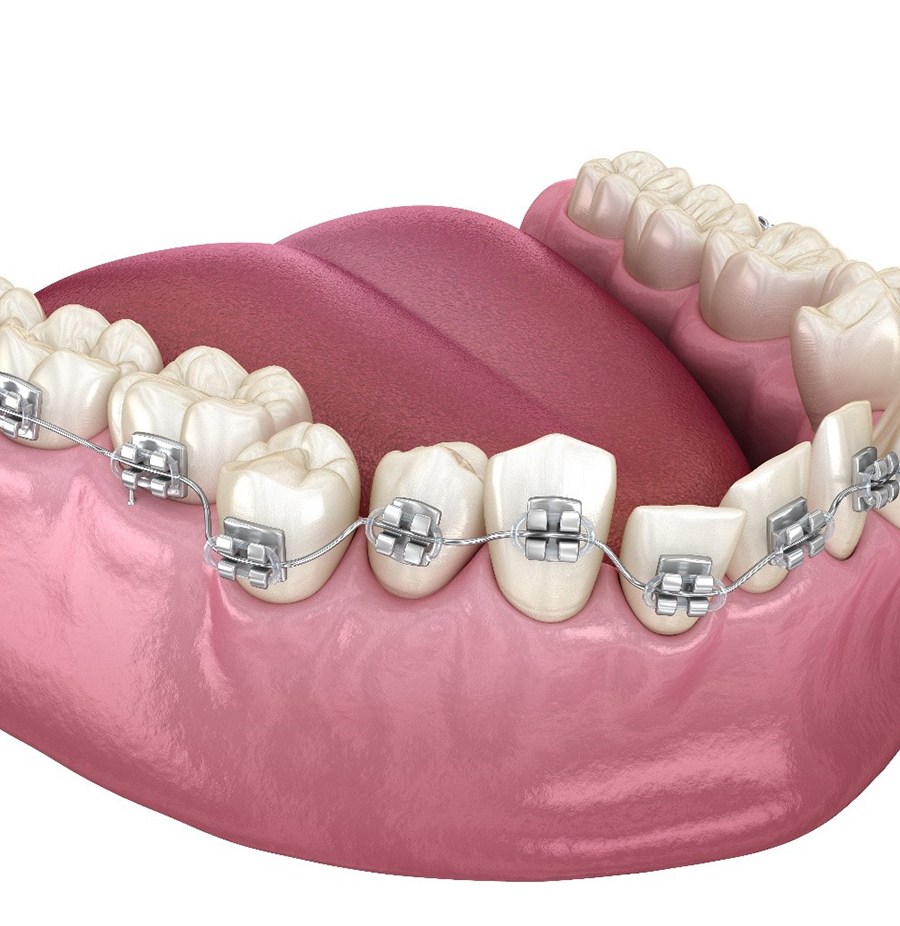
Braces are able to address the vast majority of orthodontic issues, including relatively complex and severe forms of misalignment. When you attend your consultation, we will let you know whether braces are a suitable treatment for your unique case.
Here are a few examples of problems that braces are often used to correct:
Bite Misalignment
A misaligned bite, also known as malocclusion, can include things like overbite, underbite, crossbite, and open bite. These issues can affect your facial aesthetics, lead to issues with your jaw joints, and increase your risk of numerous dental problems. Braces, often along with special accessories, can help your teeth and jaws to work harmoniously together for an effective and healthy bite.
Crowded & Crooked Teeth
Crowded teeth that overlap one another can trap food between them and make it difficult to maintain a clean mouth. As a result, you may be at a greater risk of decay, gum disease, chipped teeth, and other issues. Braces, along with possible extractions, can shift your teeth so they each have enough space to function optimally.
Gapped Teeth
Large gaps between your teeth can leave your gums vulnerable to harm and irritation. They may also make you self-conscious about your appearance. Thankfully, braces can move the teeth closer together so they look better, function better, and provide you with greater confidence.
Caring for Your Braces
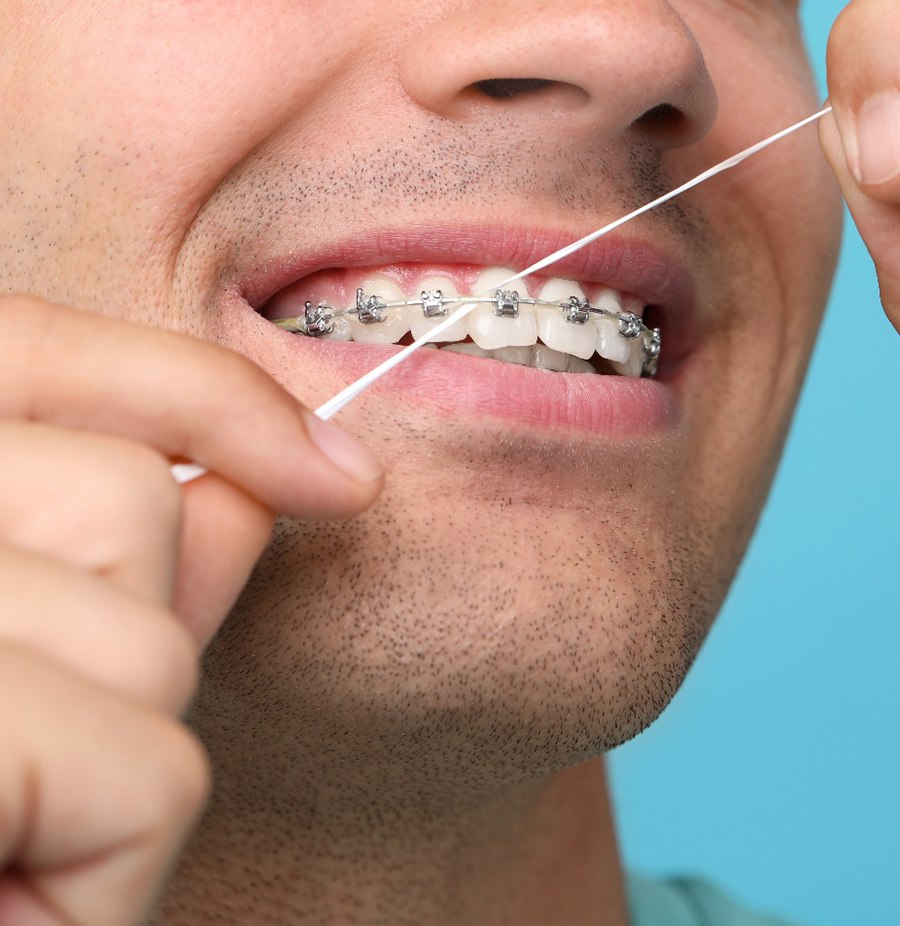
Our team will provide you with detailed instructions on how to take care of your braces. We will advise you to:
- Keep up with oral hygiene. You may need to use a floss threader or water flosser to clean around your brackets and wires.
- Modify your diet. Soft foods that are easy to chew are generally best for braces. You should avoid hard or sticky foods that might damage your orthodontic devices or get stuck in them.
- Attend all recommended follow-up appointments. Not only do you need to get your braces adjusted periodically, but you also need to keep up with regular dental checkups and cleanings.